Get ready to have your mind blown! Did you know that the size of your furnace filter can have a huge impact on your indoor air quality? That's right, by choosing the wrong size, you could be putting your health and the health of your family at risk. But don't worry, we're here to help.
In this article, we'll take a deep dive into furnace filter sizes and explain how they can affect your indoor air quality. We'll also introduce you to carbon filters, a powerful tool that can help improve your air quality even further. Trust us, once you learn about these filters, you'll wonder how you ever lived without them.
So buckle up and get ready to learn the one thing you don't know about furnace filter sizes and carbon filters. By the end of this article, we guarantee you'll be a filter pro and your home will be a healthier, happier place to live. Let's dive in!
The Importance of Choosing the Correct Furnace Filter Size
When it comes to ensuring the proper functioning of your furnace, one of the most important factors to consider is the size of your furnace filter. Many homeowners underestimate the importance of selecting the correct filter size, but choosing the wrong size can lead to a variety of problems.
Firstly, using an incorrect filter size can cause the furnace to work less efficiently. This is because a filter that is too small or too large will not fit properly, allowing air to bypass the filter altogether. This can lead to dirt and debris building up in your furnace and decreasing its efficiency.
Secondly, using the wrong filter size can also lead to increased energy costs. A filter that is too small or allows air to bypass it will cause your furnace to work harder to heat your home. This extra strain on the system will result in higher energy bills and potentially even damage to your furnace in the long run.
Finally, using an incorrect filter size can negatively impact your indoor air quality. If your filter is too small, it may not be able to effectively capture all of the pollutants and allergens in your home's air. This could lead to increased symptoms for those with allergies or respiratory issues.
Overall, selecting the correct furnace filter size is crucial for ensuring the proper functioning of your furnace and maintaining good indoor air quality. Remember to always check your furnace's specifications and choose the appropriate filter size for your specific system.
How to Determine the Correct Furnace Filter Size for Your Home
Having the correct size furnace filter is crucial for keeping your home's air clean and healthy. If you're unsure about what size filter you need, here are simple steps to help you determine the right fit:
1. Check your current filter size: Look at your current filter to see the dimensions printed on it. It will be in the format of length x width x thickness, like 16x25x1.
2. Measure your filter: If you don't have a filter to reference, measure the opening where the filter goes in your furnace. Measure the length, width, and depth of the opening to get the proper measurements.
3. Double-check your measurements: Make sure to double-check your measurements before purchasing a filter to avoid buying the wrong size.
4. Consult with a professional: If you're still unsure about the size of furnace filter to use, consult with a professional HVAC technician that can recommend the right size for you.
Remember, using the correct furnace filter is essential for maintaining the quality of the air in your home. Take the time to determine the proper filter size and replace your filter regularly to ensure your furnace is functioning correctly.
Different Types of Furnace Filters Available in Various Sizes
Furnace filters play a crucial role in maintaining the quality of indoor air. It’s important to pick a filter that suits the size of your furnace and the needs of your home. Here are some types of furnace filters to consider:
1. Fiberglass filters: These are the most common and affordable filters available. They are designed to protect the furnace from large particles and debris. However, they are not very effective in filtering out smaller particles like pollen and dust mites.
2. Pleated filters: These filters are made of cotton or polyester and have more surface area to catch more debris. They are more expensive than fiberglass filters but offer better filtration efficiency. Pleated filters are available in various sizes to fit different furnace models.
3. HEPA filters: HEPA stands for High-Efficiency Particulate Air. These filters are designed to capture tiny particles as small as 0.3 microns, including pollen, pet dander, and even viruses. However, they are thicker and more expensive than other filters and may require modifications to your HVAC system.
4. Electrostatic filters: These filters use an electrostatic charge to attract and trap particles. They are more effective than fiberglass filters but less efficient than HEPA filters. Electrostatic filters are available in various sizes to fit different furnace models.
5. Carbon filters: These filters are designed to remove odors and gases like cigarette smoke, cooking fumes, and volatile organic compounds (VOCs). They are often combined with other filters for better air quality. Carbon filters come in various sizes to fit different furnace models.
It’s important to change filters regularly to ensure optimal indoor air quality. Consult with a professional if you are unsure which filter to choose for your furnace.
Introducing Carbon Filters: What Are They and How Do They Work?
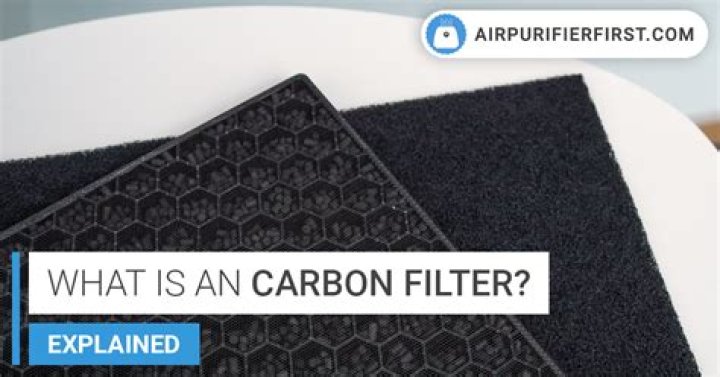
Carbon filters, also known as activated carbon filters, are a type of air filter that is commonly used to purify the air in households and commercial spaces. These filters are made of activated carbon, which is a form of carbon that has been processed to have a large surface area and high adsorption capabilities.
Unlike traditional air filters, which simply trap particles in their fibers, carbon filters use a process called adsorption to capture and trap impurities in the air. As air passes through the filter, the activated carbon attracts and holds onto volatile organic compounds (VOCs), odors, smoke, and other chemicals that can be harmful to breathe.
Activated carbon filters are commonly used in air purifiers, HVAC systems, and range hoods. They're particularly effective at removing cigarette smoke, cooking odors, and pet smells from the air. Additionally, they can help improve indoor air quality for people who suffer from allergies, asthma, or other respiratory conditions.
While carbon filters are effective at capturing specific pollutants and odors, they aren't designed to remove other types of harmful particles like pollen, dust, and mold spores. For this reason, a combination of a carbon filter and a traditional HEPA filter is often used to provide comprehensive air purification.
In conclusion, if you're looking for a way to improve the air quality in your home or workplace, consider using a carbon filter. They're affordable, effective, and easy to install in a variety of applications.
The Benefits of Carbon Filters for Improved Indoor Air Quality
When it comes to improving indoor air quality, one of the most effective solutions is using carbon filters. These filters are designed to remove harmful pollutants and contaminants from the air, leaving you with cleaner and safer air to breathe. Here are some of the biggest benefits of using carbon filters:
Eliminates Odors: Carbon filters are highly effective at removing unpleasant odors from your indoor spaces. The activated carbon in the filter can remove odors from cooking, smoking, pets, and other sources. This means your home will smell fresher and cleaner.
Removes Allergens and Pollutants: Carbon filters can also eliminate a wide range of allergens and pollutants from the air, including dust, pollen, mold spores, and more. This is especially beneficial for people with allergies, asthma, or other respiratory issues.
Improves Respiratory Health: By removing harmful particles from the air, carbon filters can help to improve respiratory health for you and your family. This is especially important for children, the elderly, and people with chronic respiratory conditions.
Reduces the Spread of Germs: Carbon filters can also reduce the spread of germs and viruses in your home. This is especially important during cold and flu season, when these illnesses can easily spread through the air.
Long-Lasting: Finally, carbon filters are long-lasting and generally only need to be replaced once every 6-12 months depending on the level of pollution in your home. This makes them a cost-effective and low-maintenance solution for improving indoor air quality.
Overall, carbon filters are an excellent investment for anyone looking to improve indoor air quality in their home or office. By removing harmful pollutants and contaminants from the air, these filters can help to create a safer and healthier environment for you and your family.
Conclusion
Choosing the right furnace filter size and type can make a big difference in the quality of air you breathe and the efficiency of your HVAC system. It's important to choose a filter that fits properly, as well as one that is designed specifically for your needs, such as a carbon filter for removing odors and improving indoor air quality. Remember to change your filter regularly to ensure maximum effectiveness and to keep your system running smoothly. By taking these simple steps, you can enjoy cleaner air, better health, and more efficient heating and cooling all year round.