Are you tired of high energy bills and uncomfortable temperatures in your home? If so, it might be time to invest in attic insulation. Attic insulation can significantly reduce your energy costs and increase the overall comfort of your home. However, with so many different types of insulation available today, it can be overwhelming to decide which one is right for you.
In this article, we will explore the various types of attic insulation installation available today. From fiberglass to cellulose to spray foam, we will break down the pros and cons of each type, as well as provide advice on what factors to consider when choosing the best insulation for your home.
Don't let the daunting task of choosing the right insulation hold you back from enjoying a more comfortable and cost-effective home. Read on to discover the different types of attic insulation installation available today and make an informed decision for your insulation needs.
Fiberglass Insulation: What You Need to Know
If you're considering insulating your attic, you've likely come across fiberglass insulation. Fiberglass is a popular choice due to its affordability and effectiveness in keeping your home warm during the colder months.
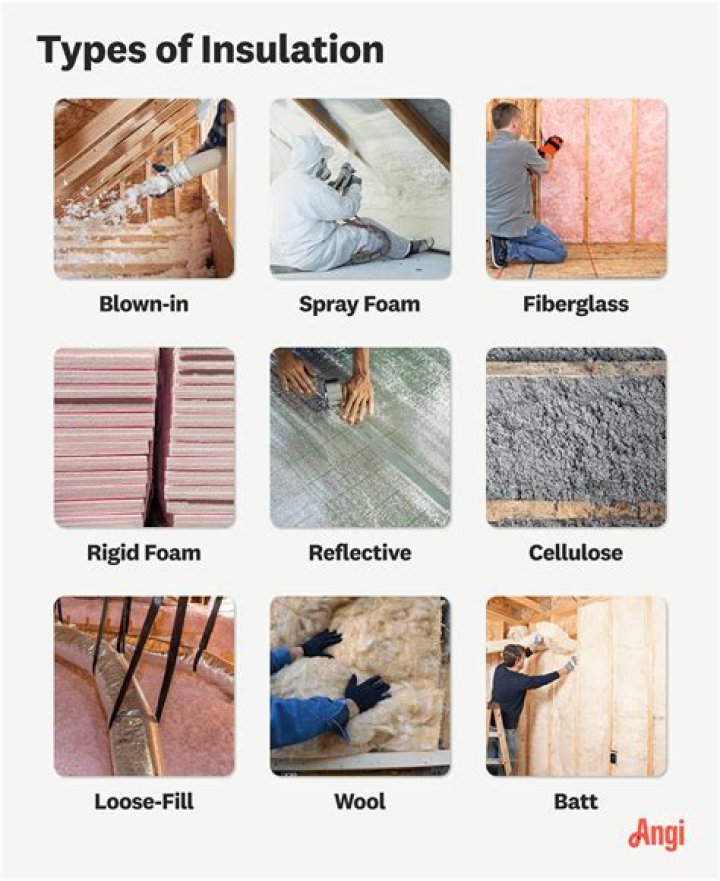
Fiberglass insulation installation involves blowing loose insulation into your attic. This type of insulation is made up of small glass fibers that can effectively trap heat and keep it within your home.
Fiberglass insulation also has a high R-value, which means it has excellent resistance to heat flow. This insulation type stops heat from escaping your home, making your living space more comfortable and energy efficient.
One of the advantages of fiberglass insulation installation is that it's a relatively simple process. A professional installer can blow the insulation into your attic in just a few hours. And once installed, you'll enjoy the benefits of a more energy-efficient home.
However, fiberglass insulation does have some downsides. The insulation material can irritate your skin, eyes, and throat, making it difficult to handle without proper protective gear. Additionally, fiberglass insulation doesn't offer soundproofing benefits and may not be the best option if noise reduction is a concern.
Overall, fiberglass insulation installation is an affordable and effective way to add insulation to your attic. However, it's important to work with a professional installer who can ensure that the insulation is installed correctly and safely.
Cellulose Insulation
Cellulose insulation is a type of insulation that is made out of recycled paper products such as newspapers and cardboard. These recycled materials are treated with fire-retardant chemicals, and then blown or sprayed into the attic space.
Cellulose insulation has been used for decades due to its effectiveness at keeping homes insulated and reducing energy costs. The recycled materials used in cellulose insulation provide a more eco-friendly option compared to traditional insulation materials.
Another benefit of cellulose insulation is its ability to reduce sound transmission, making it an effective option for reducing noise levels in the home.
Additionally, cellulose insulation is more resistant to mold and pests compared to other insulation materials such as fiberglass. This can help improve indoor air quality and create a healthier living environment for homeowners.
Overall, cellulose insulation is an excellent option for homeowners who are looking for an eco-friendly and effective way to insulate their attic space.
Spray Foam Insulation
Spray foam insulation is one of the most effective types of insulation available today. It involves the application of a liquid foam material that expands to fill the space in your attic to provide an airtight barrier that prevents the loss of heat and air conditioning.
This type of insulation is ideal for walls, floors, and attics, and it can help reduce your energy bills by up to 50%. It is particularly effective in homes that are prone to drafts and air leaks and can provide lasting protection against pests and rodents.
Spray foam insulation is also easy to install and can be done quickly, so you can start experiencing the benefits of improved energy efficiency in your home in no time. Plus, it is also environmentally friendly and can reduce your carbon footprint significantly.
Overall, spray foam insulation is an excellent choice for those looking for long-term energy savings, improved comfort, and eco-friendly insulation options. Contact a professional installer today to learn more about this remarkable insulating material and how it can benefit your home!
Radiant Barrier Insulation: The Future of Attic Insulation
Radiant Barrier Insulation is a type of insulation that uses a highly reflective material to reflect radiant heat. Radiant heat is one of the main causes of heat transfer in a home, and it can make a huge difference in the comfort of your home, as well as your energy bills.
The reflective material used in Radiant Barrier Insulation can be made of different materials, such as aluminum, metalized film, or reflective paint. This material is installed on the underside of your roof, facing the attic space. It works by reflecting up to 97% of the radiant heat back to its source, preventing it from entering your living spaces.
Radiant Barrier Insulation can be installed in two ways. It can be installed as a standalone insulation option, laying on top of your existing insulation, or it can be combined with traditional insulation to provide a dual insulation system. By using both types of insulation together, you can achieve optimal energy efficiency and cost savings.
If you live in a hot climate, Radiant Barrier Insulation may be the perfect solution for your home. It can help reduce your cooling costs in the summer, while also providing additional benefits such as extending the life of your roof and preventing moisture buildup in your attic.
Overall, Radiant Barrier Insulation is a smart investment for any homeowner looking to improve the energy efficiency and comfort of their home. Consult with your local insulation contractor to learn more about how Radiant Barrier Insulation can benefit your home.
Factors to Consider When Choosing Attic Insulation Installation
Insulating your attic is a smart investment that can help you save money on your energy bills and make your home more comfortable. However, with so many types of insulation available, choosing the right one can be a challenge. Here are some factors to consider when selecting attic insulation installation:
Budget: Cost is always an essential factor to consider when selecting insulation. Some materials are more expensive than others. It's vital to find the right balance between cost and performance.
R-Value: R-value measures how well insulation resists heat flow. The higher the R-value, the better the insulation's performance. Consider the climatic conditions of your area, and pick a type of insulation with an appropriate R-value.
Installation Method: Some insulation types require professional installation, while others can be installed as a DIY project. If you're planning to do it yourself, be sure you feel comfortable handling the insulation material and follow all safety precautions.
Environmental Impact: Many homeowners are concerned about the environmental impact of different insulation materials. Consider choosing eco-friendly options such as cellulose, cotton, or recycled denim insulation.
Moisture Resistance: Certain insulation materials such as fiberglass batts are prone to mold and mildew growth. If you live in an area with high humidity levels, consider using closed-cell spray foam insulation or rigid foam board insulation, which are resistant to moisture.
By considering these factors, you can choose the right insulation type for your attic. Remember that proper installation is crucial to achieving optimal performance. If you're not confident in your ability to install insulation correctly, it's best to leave it to the professionals.
Conclusion
Choosing the right type of attic insulation installation is crucial to maintain a comfortable and energy-efficient home. From blown-in cellulose to spray foam insulation, each option offers its unique benefits and drawbacks. By understanding the various types available, homeowners can make informed decisions and get the most out of their investment. Remember, the key to a successful insulation installation is to hire a professional with expertise in this field.
Investing in quality insulation for your attic can save you a significant amount of money on your energy bills over time. With the range of options available today, you’ll be able to make an informed decision based on your budget, insulation needs, and other factors. So, whether you want to keep your home warm in the winter or cool in the summer, investing in the best insulation installation for your attic is always worth it.